

Toyota Corolla: Pasitikėjimo ir komforto simbolis
Kodėl šis modelis liko populiariausias tarp Vilniaus seniorų?
Skaityti apžvalgąDetaliausios apžvalgos ir bandomieji važiavimai tiems, kam komfortas važniau nei greitis

Šis modelis liko populiariausias tarp Vilniaus seniorų dėl kelių paprastų dalykų. Žema sėdynė palengvina įlipimą, lengvi valdymo svirtys nereikalauja daug jėgos, o technika patikima ir nereikalauja nuolatinių remontų. Mes testuojome šį automobilį ir patvirtinome — tai yra vienas iš geriausių pasirinkimų senioriui.
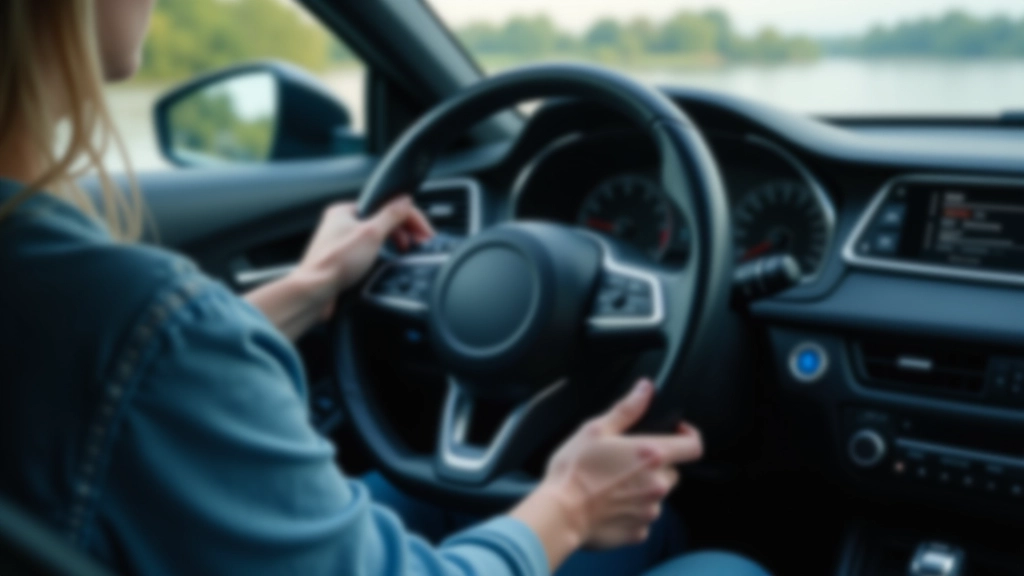
Skaityti pilną apžvalgąHonda Accord kombinuoja gerą ergonomiją su šiuolaikine technologija. Šis vidutinis sedanas turi nuostabius reguliavimo galimybes — sėdynė juda į priekį ir atgal, atlošas reguliuojasi, o vairo kolonėlė keičia aukštį. Nuotraukos iš mūsų bandomojo važiavimo Vilniuje rodo, kaip šis automobilis atitinka senyvo vairuotojo poreikius.
Skaityti pilną apžvalgą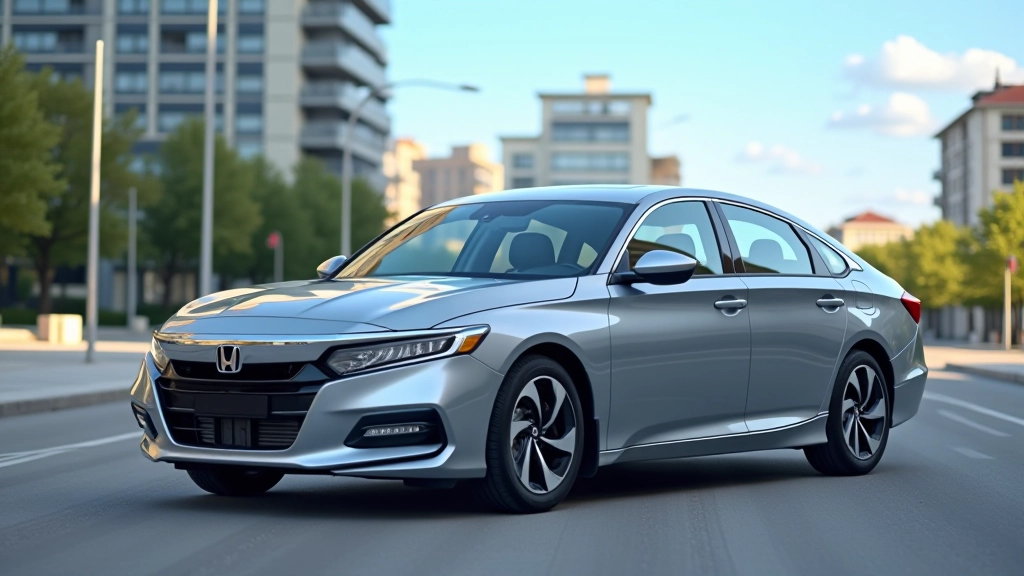

Prieš perkant automobilį senioriui, yra penki dalykai, kurie turėtų būti patikrinti. Pirma — pedalų pozicija ir jėga. Antra — langų valdymo sistemos (turėtų būti elektrinės). Trečia — durų rankenų ir atidarymo lengvumas. Ketvirta — žibintų valdymas ir matomas skydelis. Penkta — galinės padėties kamera. Mūsų praktinis sąrašas padės priimti tinkamą sprendimą.
Peržiūrėti vadovąMūsų komanda gerai pažįsta šias mašinas ir jų ypatybes. Gali susisiekti ir paklausti — atsakysime greitai ir aiškiai.
SusisiektiKiekvienas detalė turi reikšmę — nuo sėdynės aukščio iki vairo padėties
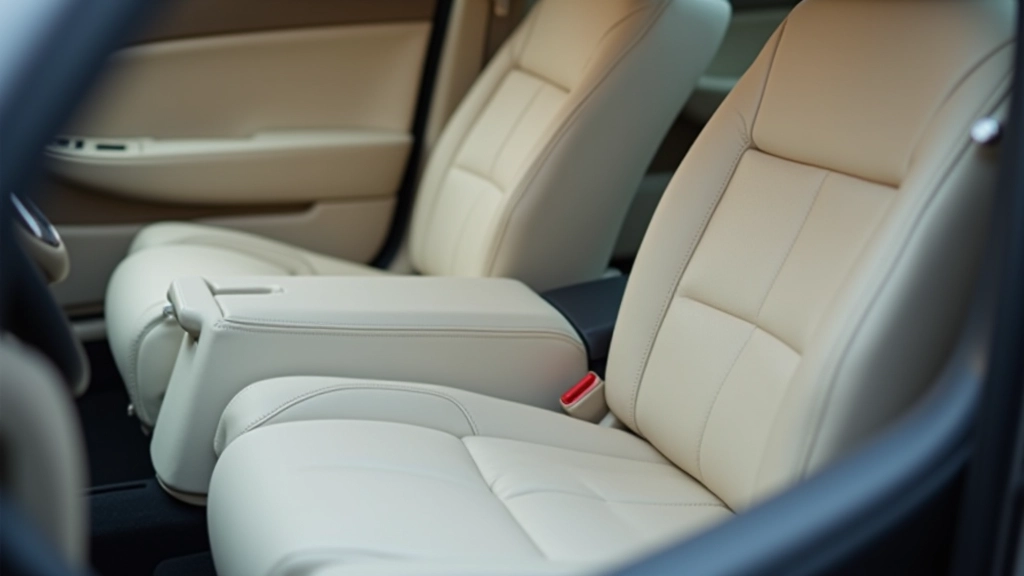
Sėdynė turėtų lengvai reguliuotis į priekį, atgal ir aukštyn-žemyn. Tai padeda rasti tinkamą poziciją be nugaros skausmo. Daugelis modelių turi elektrinę reguliavimo sistemą, kuri palengvina šią užduotį.
Vairias turėtų būti nustatytas taip, kad rankos būtų šiek tiek sulenktos. Daugelyje automobilių yra vairo kolonėlės reguliavimas — tai svarbu rasti tinkamą padėtį ir išvengti nugaros bei peties skausmų.
Durų rankenos turėtų būti prieinamos ir lengvos spaustis. Žemos durys lengviau atsidaromi. Patikrinkite, ar durų slenksčiai nėra per aukšti — tai svarbūs aspektai patogiai atsisėsti ir iš automobilio išlipti.
Pedalai turėtų būti lengvai pasiekiami ir nereikalautų didelės jėgos. Moderni elektroninė stabdžio sistema dažnai reikalauja mažiau jėgos negu senesnės sistemos. Tai gali būti svarbu tiems, kurie turi silpnesnę šlaunies muskulaturą.
Principai, kuriais vadovaujamės rašydami ir testuodami
Nemeš tik skaitome specifikacijas — mes važiuojame automobiliais Vilniaus gatvėse. Testuojame, kaip automobilis jaučiasi realiai, koks yra vairo juntamumas, kaip veikia stabdžiai. Šis praktinis patyrimas yra pagrindas mūsų apžvalgoms.
Žinome, kad senioriaus poreikiai skiriasi nuo jaunesnio vairuotojo. Mums rūpi ne sportinis sugebėjimas, o patogus ir saugus važiavimas. Kai rašome apie automobilį, visada pagalvojame — ar šis automobilis būtų geras senioriui?
Negrąžiname apžvalgų paprasčiau nei reikia. Sakome, kas mums patiko, kas nepatiko, ir kodėl. Nėra slėptų reklamos pranešimų — tik tiesa. Jei automobilį negalima rekomenduoti, mes tai pasakome aiškiai.
Automobilio pasirinkimas yra svarbus sprendimas. Mūsų vadovai ir apžvalgos skirtos padėti jums suprasti, ko tikrinti ir ko iš kurio automobilio tikėtis. Norimy, kad žinotumėte daugiau prieš nusipirkdami.
Kaip mūsų vadovai padeda senioriams pasirinkti tinkamą automobilį
Rašome šias apžvalgas, nes žinome, kaip svarbu senioriui rasti patogų ir saugų automobilį. Nereikia jaudinantis apie tai, ar tai tinkamas pasirinkimas — mes jau pasprendėme. Testuojame automobilius, rašome apie tai, ką matome, ir padedame jums suprasti skirtumą tarp modelių.
Mūsų komanda susideda iš žmonių, kurie mėgsta automobilius ir supranta senioro poreikius. Daugelis iš mūsų turi tėvus ar senelių, kurie važiuoja automobiliais. Šis asmeninis ryšys padeda mums parašyti tikrai naudingus vadovus.
Redakcinis komanda,
Patogūs sedanai seniesiems
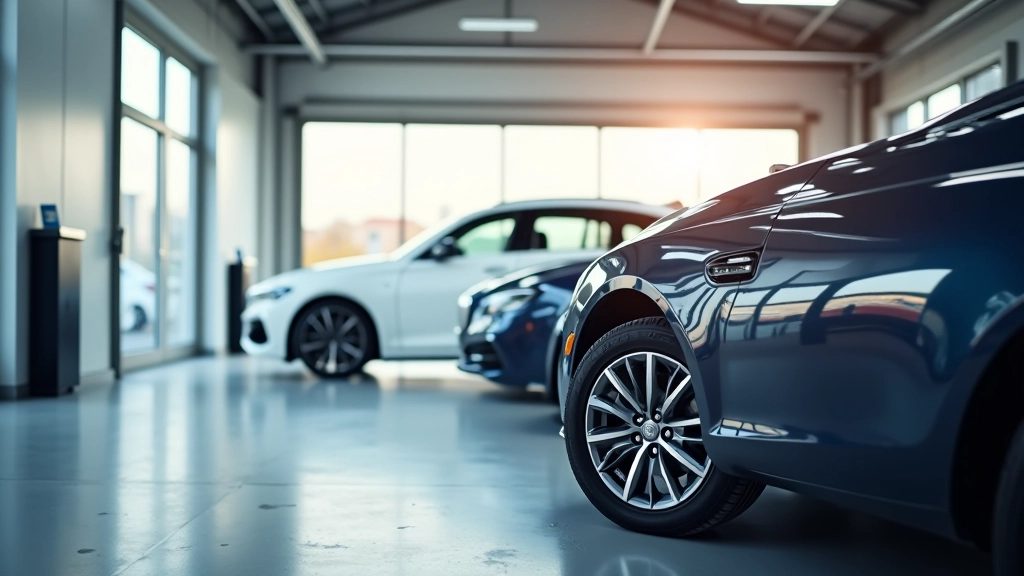
Tiesiausios apžvalgos iš testų ir bandomųjų važiavimų
Peržiūrėti visus straipsnius
Kodėl šis modelis liko populiariausias tarp Vilniaus seniorų?
Skaityti apžvalgą
Kaip šis vidutinis sedanas atitinka senyvo vairuotojo poreikius?
Skaityk daugiau
Praktinis sąrašas: penki dalykai, kurie padės priimti sprendimą
Peržiūrėti vadovąŽvilgsniai iš mūsų testų ir bandomųjų važiavimų
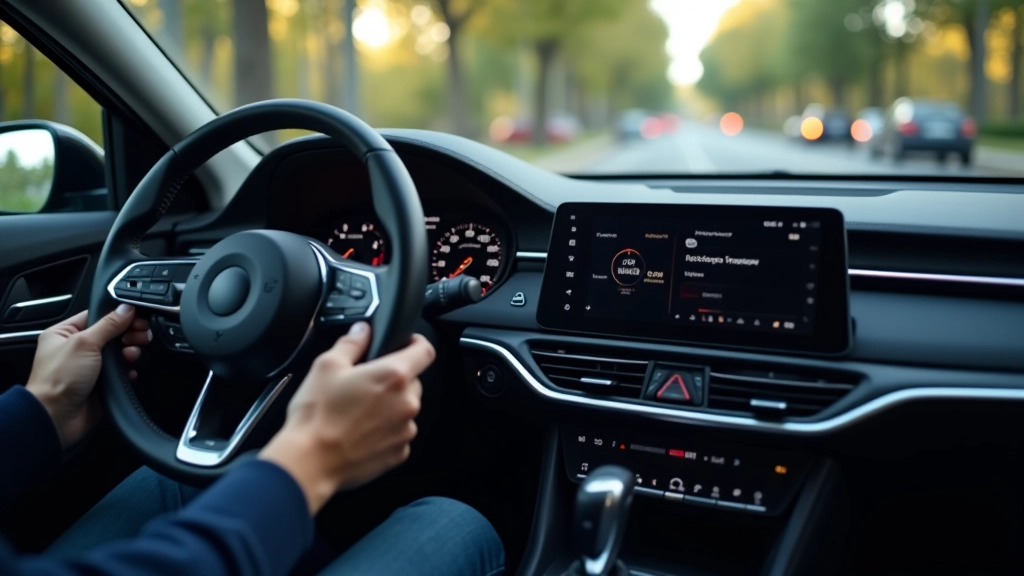
Atsakymai į klausimus, kurie rūpi senioriams
Nėra vieno „geriausio" automobilio — tai priklauso nuo asmeninių poreikių. Tačiau Toyota Corolla, Honda Accord ir Mazda6 dažnai būna gerais pasirinkimais dėl jų ergonomijos, patikimumo ir paprastos valdymo sistemos.
Saugumas priklauso nuo automobilio modelio ir to, kiek jis buvo prižiūrėtas. Naujesni automobiliai turi daugiau saugumo funkcijų, bet seni automobiliai gali būti saugūs, jei jie buvo gerai prižiūrėti. Visada leiskite savo mechaniką patikrinti automobilį prieš perkant.
Senioriui paprastai pakanka 1.5 litro arba 2.0 litro variklio. Didesni varikliai gali duoti daugiau galios, bet nereikalinga jeigu važiuoji mieste. Mažesni varikliai dažnai yra ekonomiškesni ir lengviau valdomis.
Taip, automatinė pavarų dėžė yra daug patogesnė senioriui. Nereikia perjunginėti pavarų, kas gali būti sunkiau atliekama ilgą laiką. Dabartiniu laikiem beveik visi nauji automobiliai turi automatinę pavarų dėžę.
Pagrindinis dalykas — testuoti automobilį bandomajame važiavime. Sėsk už vairo, reguliuok sėdynę ir vairą, jauski pedalus. Paprašyk pademonstratvio žibintų, langų ir durų valdymo. Jei viskas jaučiasi patogu ir lengva, tai geras ženklas.
Mes naudojame slapukus, kad pagerintume jūsų patirtį. Daugiau informacijos rasite mūsų slapukų politikoje .